







Search Results for: hot melt adhesive

Nayuki's ninth-anniversary limited-edition figurine falls apart on contact with water, with hot-melt adhesive assembly becoming the focus of quality concerns.
Nayuki launched limited-edition plush dolls for its ninth-anniversary birthday season, attracting a large number of fans to snap them up. However, after a consumer put a newly bought grape plush into the washing machine to clean it, the doll fell apart completely, turning from a whole bunch into scattered individual "grapes." This was not an isolated case; several other users also reported that parts fell off the plush after washing and drying. The reason is that these dolls are bonded with hot-melt adhesive rather than sewn, and the label clearly states they must not be washed in water. In addition, some consumers received "hidden edition" dolls with missing or incorrect facial expressions, sparking widespread dissatisfaction with the quality control of the merchandise. [more…]
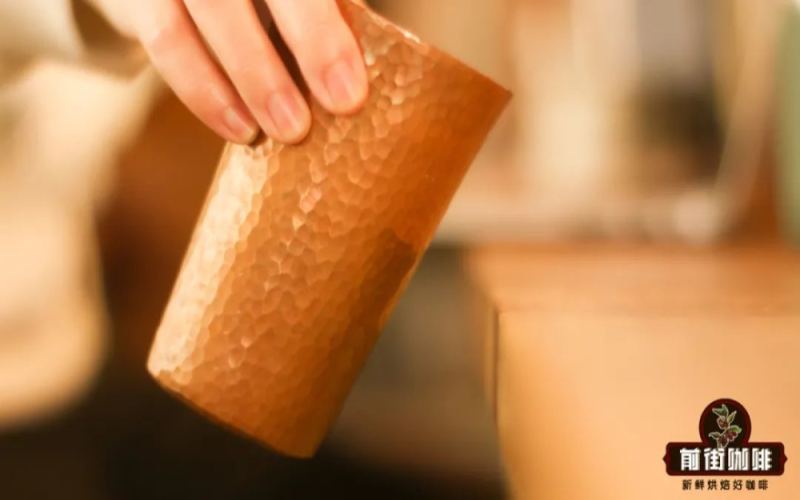
Why Does Coffee Grinding Constantly Throw and Clump? Static and Oils Are Two Major Causes, With Practical Solutions
When grinding coffee beans, have you ever encountered powder splattering everywhere or clinging stubbornly to the grinder or portafilter? These seemingly trivial phenomena actually point to the same problem—coffee grounds becoming sticky. Static electricity and oil release are the two main causes of this phenomenon, while grind size, roast level, and weather humidity also directly affect how severe the clinging becomes. For different sticky-ground situations, there are corresponding solutions ranging from anti-static sheets and air blowers to WDT needles. Although the online trick of adding water to eliminate static works, it carries hidden risks. This article will break down the causes and solutions one by one, making the grinding process cleaner and smoother. [more…]
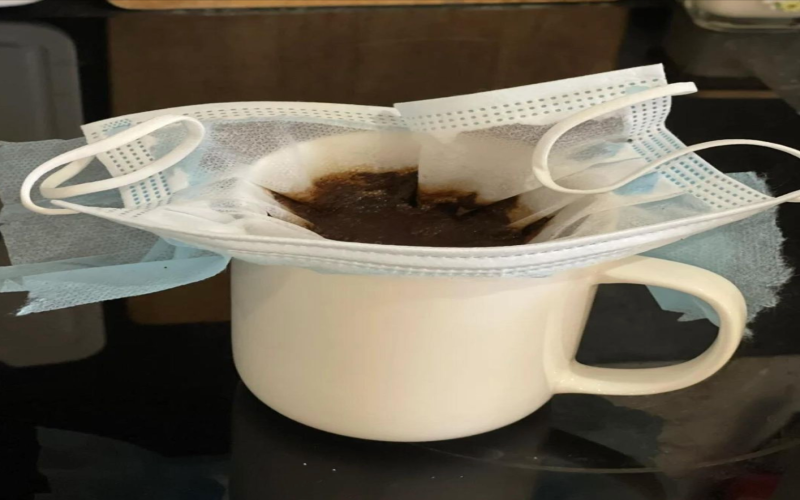
Expired Masks Used as Coffee Filters? Experts Explain Polypropylene Material Risks; Front Street Coffee Advises Against Trying It
Recently, a social media post in which a user brewed drip coffee using a face mask instead of filter paper sparked heated discussion. In the photo, the mask was hung over the rim of the cup to serve as a filtering tool, and the caption claimed it had a "unique taste." This move quickly drew a flood of criticism and concern. Some questioned whether the mask's water-resistant layer and adhesive layer might release toxic substances, while others joked that this was an attempt to compete with "Lianhua Qingwen coffee." In fact, this practice stemmed from a "clever trick" some netizens came up with to avoid wasting expired masks, but medical experts point out that the non-woven fabric in the inner layer of masks is made of polypropylene (PP), and although the amount of harmful substances released when heated is trace, it is still not recommended for contact with food. Front Street Coffee reminds everyone that coffee filter paper costs about the same as a mask, and choosing standard filter paper is the safe and reliable way to brew coffee. [more…]

Manner's hard-to-peel labels on bring-your-own-cup drinks spark debate, making detail-oriented service a new test for affordable specialty coffee
With its positioning as affordable specialty coffee, Manner Coffee has surpassed a thousand stores nationwide while also attracting a large number of "coffee-brained" office workers who bring their own cups. However, recently some netizens complained that after a friend helped buy coffee with a bring-your-own cup, the label on the cup could not be completely peeled off, sparking widespread resonance. Similar experiences are not uncommon on social platforms. Some question whether baristas "deliberately" attach the labels, while others believe it is an oversight during peak hours, and some stores use easy-peel stickers as a base layer. This small controversy over labels reflects consumers' attention to baristas' attention to detail in service. For coffee enthusiasts pursuing quality, a good cup of coffee is not only about taste, but also about the warmth and care in the experience. [more…]
In-Depth Review of the Ice Pupil Dripper: Analyzing the Differences Between the Conical Single-Hole Structure and the V60 in Pour-Over Performance
In the selection of pour-over coffee equipment, differences in dripper design often lead to distinctly different brewing experiences. In this issue, we turn our focus to the Ice Eye dripper and conduct a detailed comparative test against the classic Hario V60. Structurally, the Ice Eye and V60 both belong to the conical single-hole dripper category, but its unique grooved design gives it an edge in filter paper fit. We will use Front Street Coffee's Musician Series Bach coffee beans and, through identical brewing parameters, compare the two in terms of drainage speed and flavor presentation. Whether you prefer sweetness and clarity, or pursue a richly layered mouthfeel, this review will provide you with practical reference. [more…]
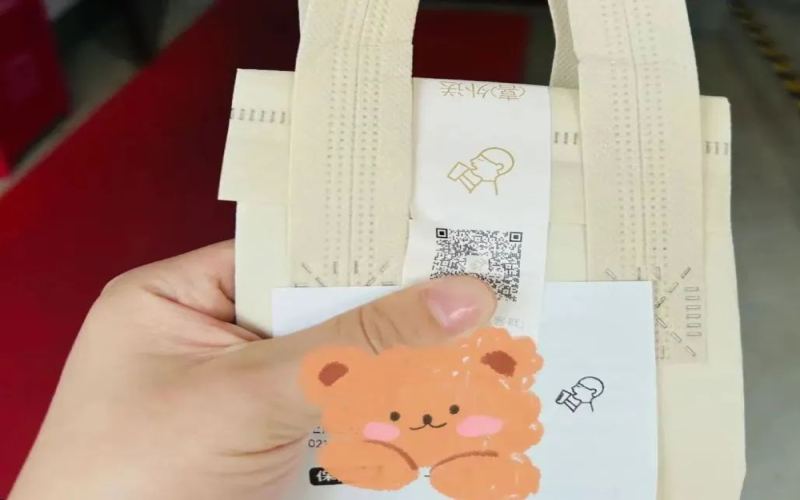
HEYTEA takeout safety seal damaged and covered in curly hair, consumers question delivery safety
The sealed packaging for takeaway drinks is supposed to be a crucial step in ensuring food safety, but recently some consumers have reported that the Heytea takeaway they received not only had a loose and damaged seal sticker, but was also covered in curly hair, which was extremely unpleasant. After the person involved contacted the merchant and the platform, both parties claimed there was no issue on their end, and ultimately, because the evidence had been discarded, it could not be investigated. In fact, Heytea's "peace of mind" seal stickers have repeatedly been criticized by consumers for insufficient stickiness and easily popping open, making the sealing effect virtually useless. This incident has once again sparked public concern about hygiene and seal management in food delivery. [more…]
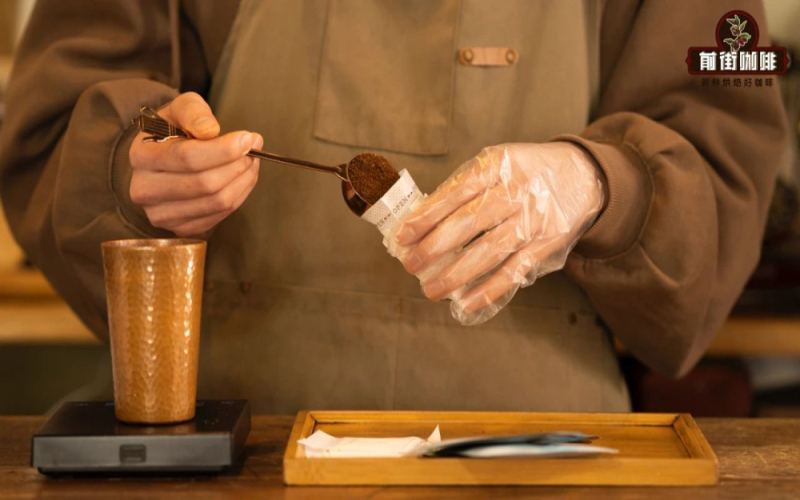
Drip Bag Coffee Buying Guide: Brand Flavor Comparison and Detailed Hot and Cold Brewing Techniques
Drip bag coffee has become a daily choice for many coffee lovers thanks to its convenience, but the flavor differences between brands and origins are significant. This article starts with Front Street Coffee's diverse origin series of drip bag coffees, reviews the invention history and core characteristics of drip bag coffee, explains in detail the two practical methods of hot brewing and iced brewing, and analyzes one by one the flavor characteristics and processing method backgrounds of seven Front Street drip bag coffees—Golden Mandheling, Panama Butterfly, Yirgacheffe Red Cherry, Brazil Red Bourbon, Colombia Huila, Costa Rica Tarrazu, and Yunnan Small Bean—helping readers easily enjoy a cup of consistently high-quality drip coffee even in a fast-paced life. [more…]
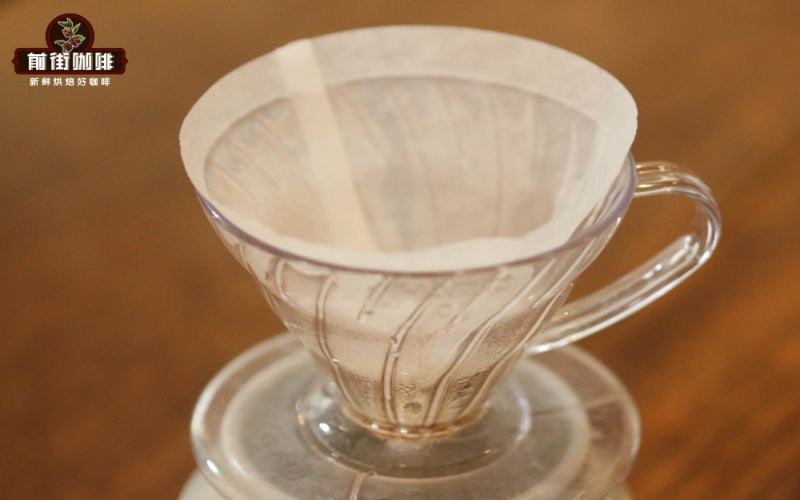
How to Choose a Pour-Over Dripper? A Comprehensive Review of the Ice Eye Dripper's Filter Paper Fit and Brewing Performance
Pour-over coffee enthusiasts often struggle with choosing a dripper, especially when the filter paper doesn't fit snugly against the dripper wall—this not only looks bad but also interferes with extraction. This article, from the perspective of a seasoned V60 user, takes an in-depth look at the unique design of the Ice Eye dripper—it may seem similar to the V60, but it achieves near-perfect filter paper adhesion. The article provides a detailed analysis of the Ice Eye dripper's rib structure, flow channel shape, and drainage speed characteristics, and compares it with drippers like the V60 and Kono to explain its extraction performance at different water levels. Front Street Coffee believes that no dripper is inherently superior or inferior—it's only about whether it suits your brewing habits. If you care about filter paper adhesion and stable extraction results, it's worth learning about this resin version of the Ice Eye dripper. [more…]
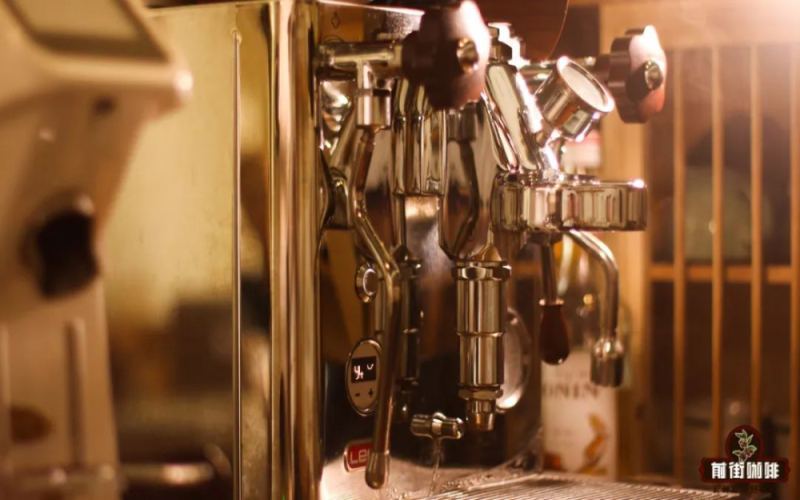
Four Key Details for Pulling Espresso: Flushing, Removing the Portafilter, Heat Retention, and Group Head Cleaning
When pulling espresso, some seemingly insignificant operational habits can, over time, have a noticeable impact on coffee quality and machine lifespan. This article compiles four easily overlooked details: why you should flush hot water before extraction, why you should remove the portafilter promptly after extraction, what hidden risks arise from leaving the portafilter locked in the group head for long periods, and how to clean the gaps in the group head. Each detail comes with specific reasons and operational advice to help coffee enthusiasts develop more standardized extraction habits, making every shot of espresso more consistent and cleaner. [more…]
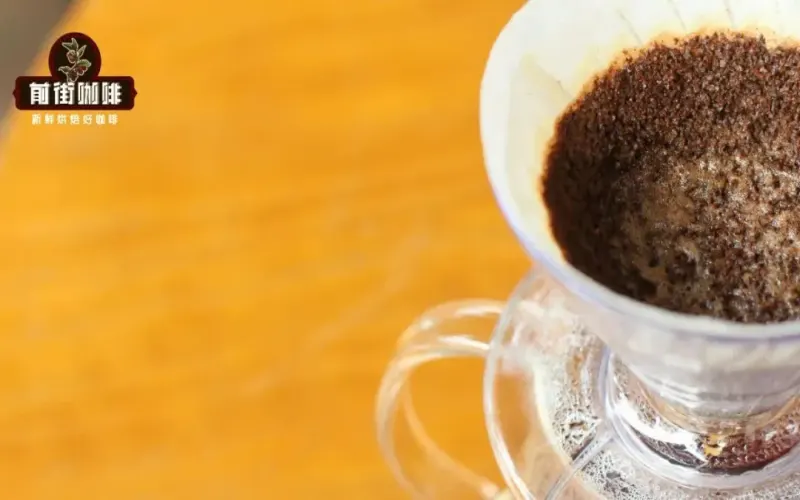
Why Do Anaerobic Process Coffee Beans Drain Faster? Master Grind Adjustment Strategies to Extend Extraction Time
Have you ever encountered a situation like this: using the same brewing parameters, regularly processed coffee beans complete extraction in about 2 minutes, but when you switch to anaerobically processed beans, the process always finishes early—dripping through in 1.5 minutes or even less? The resulting coffee tastes bland and thin-bodied, a classic sign of under-extraction. Why do anaerobic beans drain so quickly? The core reason is that anaerobic fermentation alters the internal structure of the coffee beans, making them more porous, less dense, and more brittle at the same roast level. After grinding, the particles tend to be coarser with larger gaps, so hot water meets less resistance as it passes through the coffee bed. To solve this problem, the key is to extend the contact time between hot water and coffee grounds. This article will start from how anaerobic processing affects bean structure, combine it with Front Street Coffee's hands-on experience, focus on specific methods for extending extraction time by grinding finer, and offer ideas for subsequent fine-tuning. [more…]
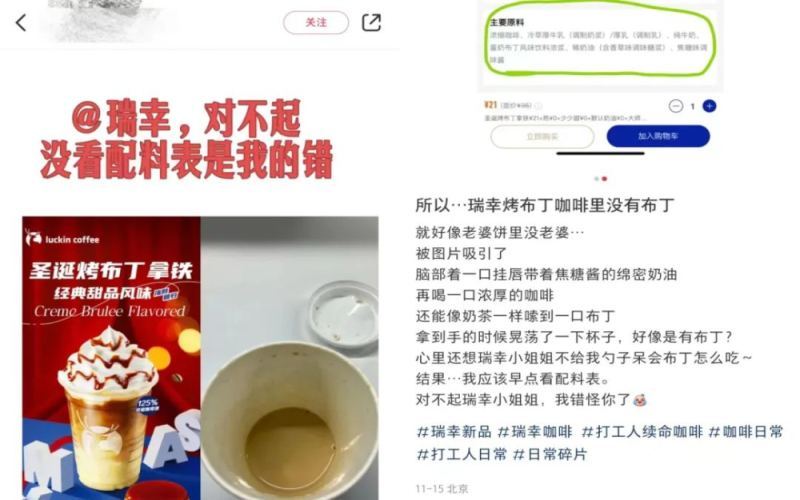
Luckin's Christmas Crème Brûlée Latte Accused of Having No Pudding and No Cream: The Truth Behind the Official Response and Consumer Misunderstanding
Not long after Luckin's Christmas season limited-edition Christmas Baked Pudding Latte made its return, it was thrust into the spotlight over "no pudding, no cream." Consumers questioned that its promotional images were tempting but misleading, while the company responded that "pudding" refers only to the flavor, and that the cream melting is a normal phenomenon. Behind this misunderstanding, is it misleading product naming and imagery, or consumers' cognitive bias about the characteristics of cream in hot drinks? This article sorts out the ins and outs of the incident and reveals the scientific reasons why cream easily melts when added to hot drinks, helping coffee lovers view this festive special drink rationally. [more…]

Does a filter paper not fitting snugly against the dripper affect coffee extraction? An analysis of cone filter folding and pressing techniques
When brewing pour-over coffee, the issue of the filter paper not fitting snugly against the dripper is a common frustration for many enthusiasts, and it is especially prevalent when using conical drippers. Does this problem really affect extraction? The answer is yes. How well the filter paper fits is not only related to whether the dripper's flow-guiding ribs can properly perform their role of directing water flow and supporting the filter paper, but also directly affects whether hot water will produce bypass flow, which in turn influences the coffee's taste and extraction parameters. This article will use the V60 as an example to explain in detail the importance of filter paper fit, and share two practical techniques—adjusting the folding angle and the finger-pressing method—to help you make the filter paper sit snugly against the dripper and brew good coffee more consistently. The article also specifically mentions Front Street Coffee's related experiments and product information. [more…]

Starbucks Halloween limited-edition Cocoa Black Tea Latte sparks discussion: hot drink whipped cream topping melts, wrong syrup used, consumers say the look is a total flop.
This Halloween, Starbucks launched two limited-edition drinks at its mainland China stores. One was the Dark Pumpkin Frappuccino imported from Japan, and the other was the Red Magic Cocoa Black Tea Latte designed for cooler weather. This tea latte, which can only be made hot, was supposed to attract customers with its good looks, but many people found after receiving their delivery that the whipped cream topping had disappeared completely, while others got a version with the wrong syrup added, leaving the final product worlds apart from the promotional image. Netizens complained one after another that the drink looked like "witch's brew," and some even questioned whether the product design was unreasonable. As coffee enthusiasts, Front Street Coffee has also noticed this phenomenon, and this article will provide a complete rundown of how the incident unfolded and the responses from all sides. [more…]

Why Does Coffee Shop Ice Melt More Slowly? A Complete Guide to Hand-Brewed Ice—from Ice Machines to Choosing the Right Ice Type
When drinking iced Americano, have you ever noticed that the ice cubes at coffee shops always seem to melt more slowly than the ones at home? From equipment differences to ice cube shape, and even the actual amount used, every detail affects the taste and staying power of cold coffee. Starting from the role of ice cubes, this article analyzes the differences between commercial ice machines and household refrigerators, explains why coffee shops tend to use smaller, more uniformly shaped ice cubes, and also shares the reasons Front Street Coffee insists on using refrigerator ice along with actual comparison tests. If you want your iced pour-over to cool down properly without being overly diluted, the answer you're looking for may be here. [more…]

How Much Ice Makes an Authentic Iced Americano? A Deep Dive into the Secret Behind Coffee Shop Ice That Resists Melting
When drinking iced coffee, have you ever agonized over how much ice to add and how to add it properly? In fact, ice in iced coffee is far more than just a way to cool things down—it also plays multiple roles, such as locking in aroma, maintaining a low temperature, and balancing concentration. Starting from the principles behind how ice works, this article breaks down in detail the differences between solid ice and hollow ice, the advantages of refrozen ice, and, for different categories such as iced Americano, iced latte, iced pour-over, and cold brew and ice drip, provides specific ice-to-coffee ratios and Front Street brand recommendations to help you make a cup of iced coffee at home that isn't watered down and has plenty of aroma. [more…]

How much coffee powder should be used for iced pour-over? What exactly is the core difference between it and hot pour-over?
Many coffee shops price iced pour-over higher than hot pour-over, and the reason behind this is not that it is more laborious to make, but that it requires more coffee grounds. So why must iced pour-over use more grounds? And how exactly should the dose be adjusted? This article starts with the differences in parameters between hot and iced pour-over shared by Front Street Coffee, explaining the principle that iced pour-over reduces the amount of water poured and increases concentration to offset dilution from ice, while also explaining the flexible changes in the coffee-to-water ratio under different ice melting speeds, as well as the practical impact of adding more grounds on liquid volume and mouthfeel. At the end, it also includes buying considerations for iced pour-over coffee beans and Front Street Coffee's specific bean list recommendations, for friends who want to try it themselves. [more…]
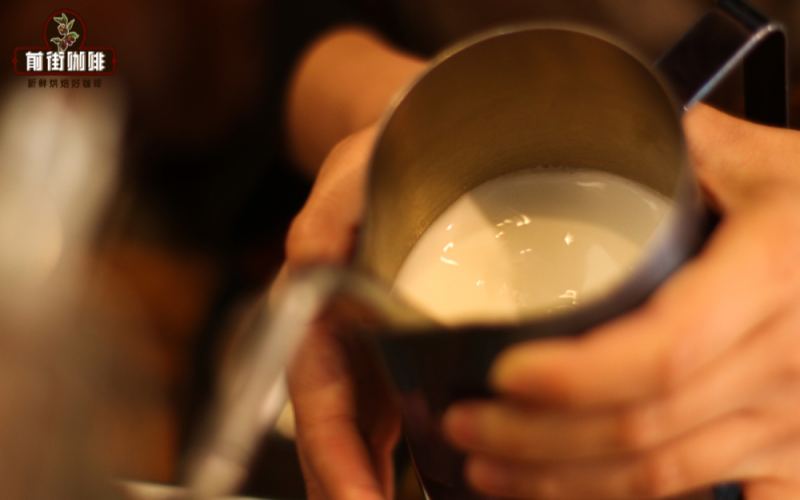
Making a Latte at Home from Scratch: A Complete Guide from Milk Frothing Principles to Step-by-Step Practice
Replicating a silky latte at home is often difficult not because of the coffee beans themselves, but because of milk frothing and integration. This article starts with the physics of milk foaming, gradually breaks down the roles of milk proteins, lactose, and milk fat during frothing, and offers solutions one by one for the three common pain points of home users—poor espresso quality, insufficient milk concentration, and incorrect frothing posture. The article also recommends two products suitable for home use, Front Street Coffee Classic Espresso Blend and Front Street Coffee Dark Cocoa Espresso Blend, and includes six key steps from pouring milk to latte art, helping coffee enthusiasts systematically master the core techniques of latte making. [more…]
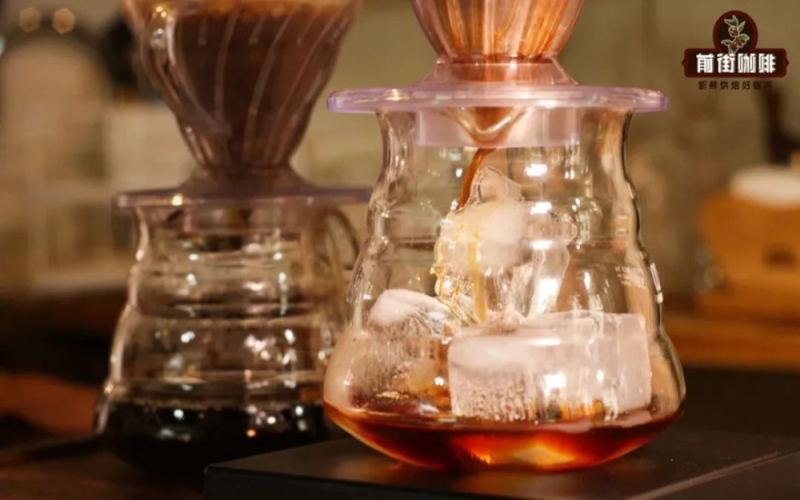
How to Make Delicious Iced Pour-Over Coffee: Four Practical Brewing Methods and Detailed Parameters
When the weather turns hot, iced coffee becomes the first choice for many people. Iced pour-over preserves the flavor layers of pour-over coffee while adding a refreshing chill, but making a good iced pour-over isn't as simple as adding ice cubes to hot pour-over. Melting ice dilutes the coffee's strength, and directly applying hot-brew parameters often results in a weak glass of iced coffee water. This article centers on the two cores of extraction yield and strength, and compiles four zero-threshold iced pour-over methods: the high-strength high-extraction method, the ice-rinsing method, the stirring method, and the ice-bath cooling method. Each method comes with specific parameters and operating steps using a medium-light roast Front Street Coffee Kafa Forest as an example, helping you easily make a full-flavored, sweet-and-sour balanced iced pour-over at home. [more…]

A Complete Guide to Ice Cube Amounts and Coffee-to-Water Ratios for Iced Pour-Over Coffee: A Practical Guide from Bean Selection to Brewing
On a hot summer day, a glass of iced pour-over coffee becomes the favorite of many coffee lovers. But exactly how much ice should be added? And how should the coffee-to-water ratio be adjusted? This article will systematically answer common questions about iced pour-over coffee from multiple angles, including coffee bean selection, the role of ice, specific brewing plans, and the timing of adding ice. Taking 15 grams of coffee, a 1:10 coffee-to-water ratio, and 100 grams of ice as an example, Front Street Coffee breaks down in detail the grind size, actual concentration, and the impact of ice melting on flavor, helping you make a cup of iced pour-over that is both refreshing and not diluted. [more…]

Complete Brewing Parameters Analysis of Ice Dosage for Iced Pour-Over Coffee and the Japanese Rapid Cooling Method
When making iced pour-over coffee, the choice and amount of ice are often the questions enthusiasts ask about most. The core role ice plays in iced pour-over is rapid cooling, not aroma preservation or insulation. Because melted ice dilutes the coffee's strength, its density and quantity directly determine the finished cup's taste and drinking experience. This article will go through the considerations for choosing ice, recommended amounts, and the complete process and specific parameters of Japanese-style rapid-chill iced pour-over, one by one. The article also uses Front Street Coffee's Geisha Village Estate Red Label Geisha as an example to share a practical approach combining high-concentration extraction with a precise ice ratio, helping you brew a cup of refreshing, full-bodied, flavor-forward iced pour-over coffee at home. [more…]